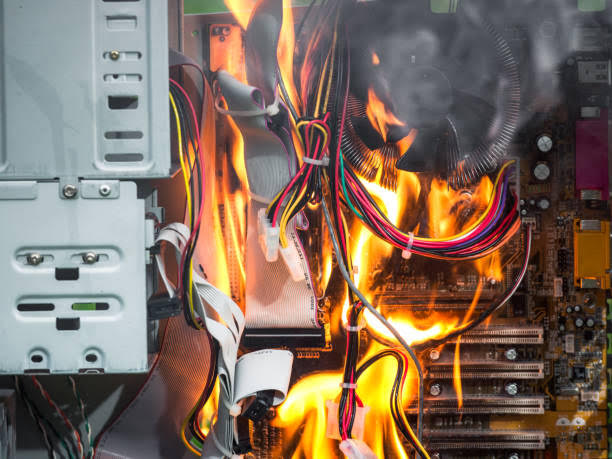
Risk areas in industry!
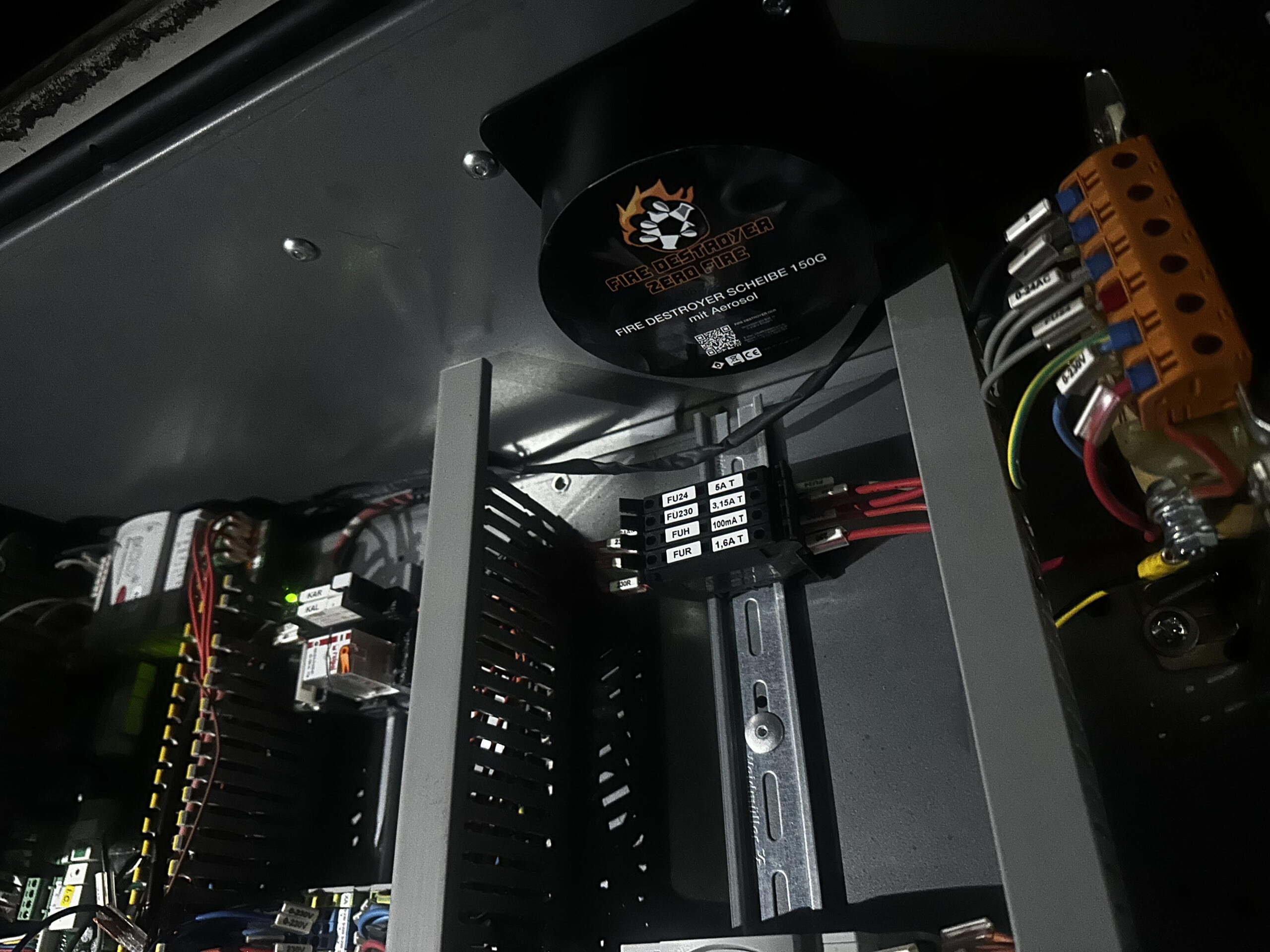
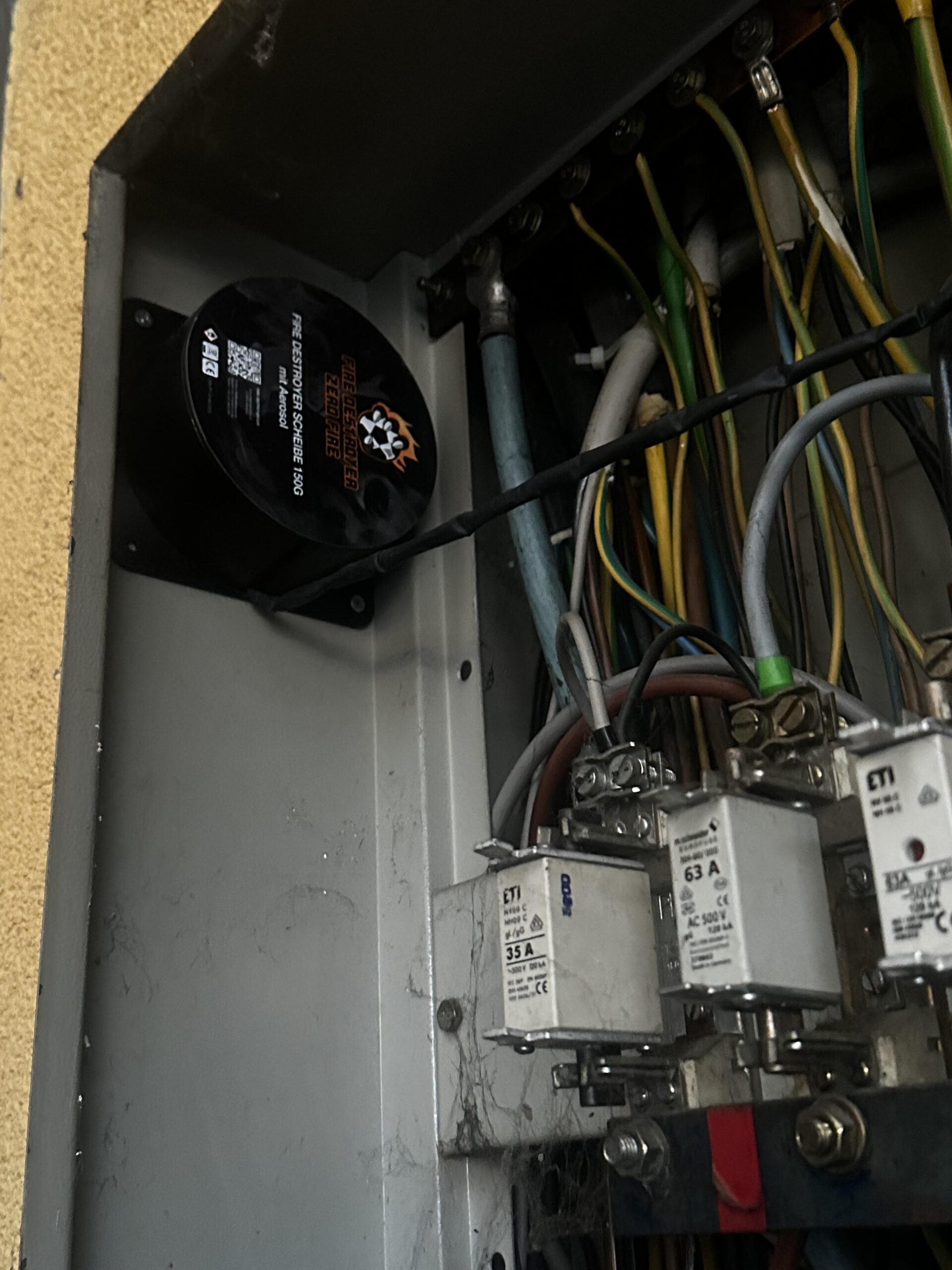
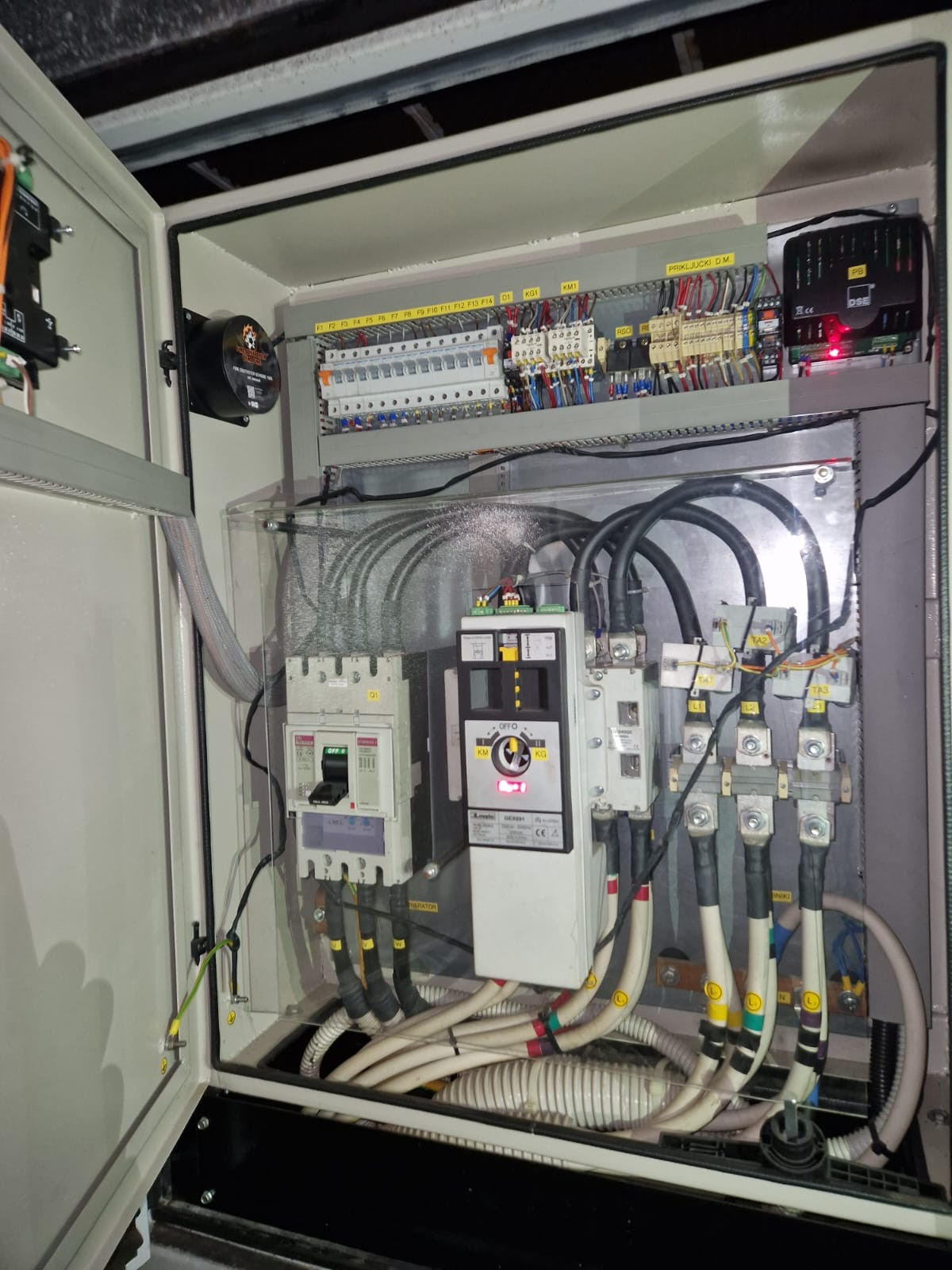
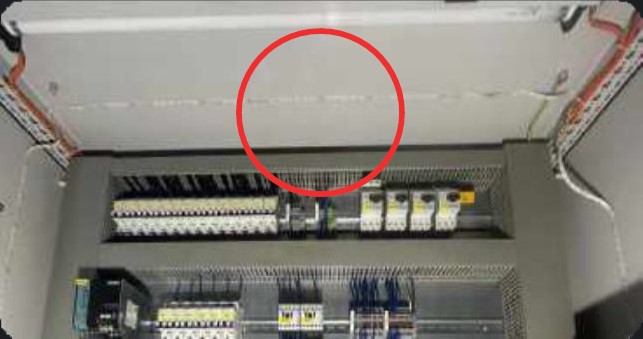
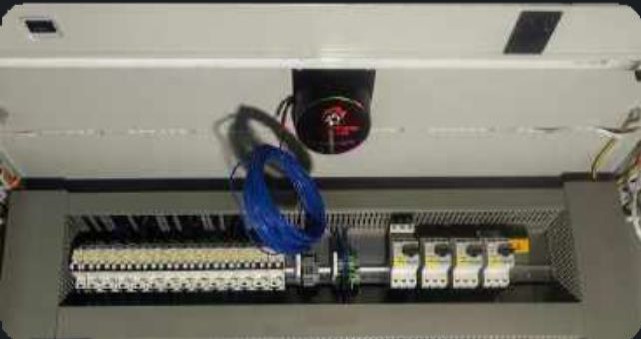
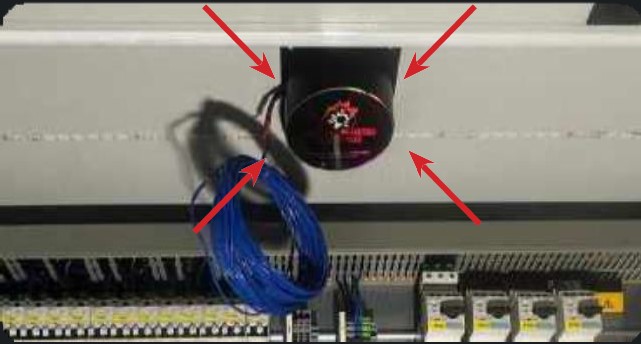
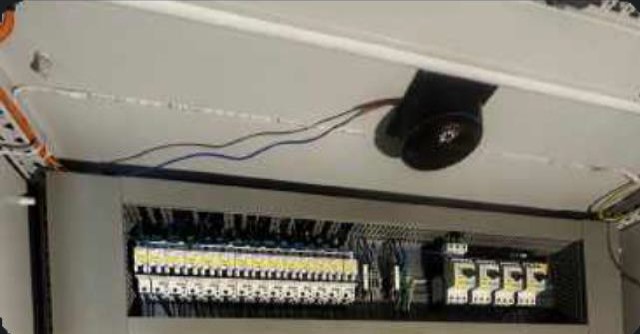
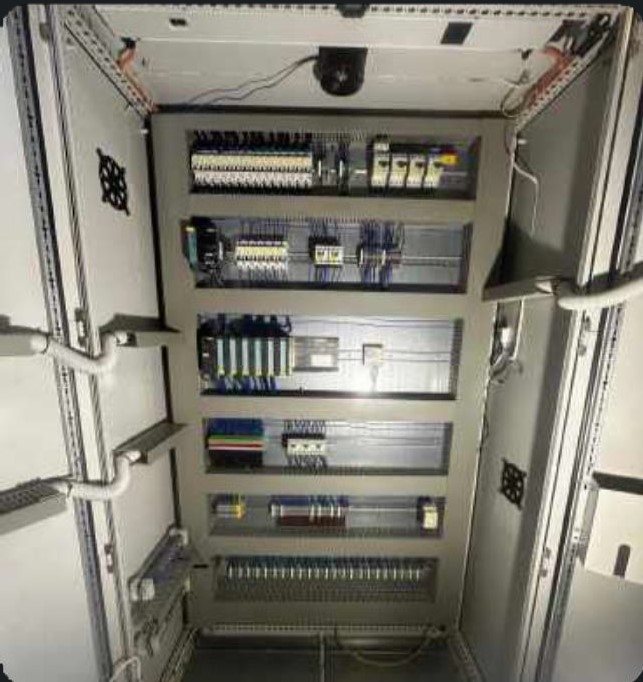
Due to its shape and size, the FIRE DESTROYER disc is designed for installation in industrial control cabinets and servers.
-10%
135.56 € 122.00 € Z DDV (100.00 € BREZ DDV)
Standardi
Značilnosti
Uporaba
Guarantee
-10%
Deli with prijatelji
Specifications
Reaction time
3-5 seconds.
For extinguishing fires in classrooms
A, B, C, F
Extinguishing volume
1m³ (100g)
1.5 m³ (150 g),
3 m³ (300 g),
10 m³ (1000 g)
Estimated installation time
about 15 minutes.
Mass
130 mm x 130 mm
Warranty period
4 years and requires no additional maintenance
The most common causes of inflammation.
- Old, worn fuses
- Unprofessional relationship
- Overload of the power grid
- Poor material quality
- Overheating
- pollution
- Mechanical damage
- Damage caused by rodents
installation
The FIRE DESTROYER AEROSOL disc is attached to a flat surface with four screws, and the ignition cable is spread over the entire surface of the potential fire source. Upon contact with fire, the mechanism is activated within 3–5 seconds, and the FIRE DESTROYER DISC provides active fire protection in rooms with expensive equipment that must not be damaged by the extinguishing agent. Due to its size and extinguishing agent capacity, this product is suitable for rooms up to 10 m³. It is suitable for installation in a wide variety of rooms and areas.
Step-by-step installation instructions:
Scope of delivery: The scope of delivery includes 4 screws, a 10 meter ignition cable and an automatic fire extinguishing disc with four mounting holes.
1. Clean the chosen installation location.
2. Place the aerosol disc at the selected installation location.
3. Secure the disc with all four screws.
4. Place the ignition cable behind the window at the location of a possible fire source.
Done. Make sure all screws are tightened.
easy to use
tested and certified
non-toxic
compact and lightweight
Control cabinets and servers
- How does electricity cause so many fires? The heating of cables and electrical components can cause loosening and deterioration of the contact. Fires can be caused by electrical wiring, worn components in the control panel, but also by lack of maintenance of electrical devices, poorly maintained connections, and overloaded electrical installations. Improperly used extension cords can also cause fires. Worn wires, loose wires, and fuses in electrical systems and other components that are not maintained over time begin to overheat and cause a short circuit, sparking, and subsequently a fire. Combustible materials and components in the vicinity of the incident are then also affected, leading to a fire.
Fires on boats and barges
- 26% of fires are caused by sources outside the vessel. Typically, a fire starts on a neighboring vessel and then spreads to our vessel. External fire sources can also include fires in the garage or house where the vessel is located. Protect yourself from potential claims if a fire breaks out on your vessel.
- 20% of all fires are caused by faulty electrical installations in boat engines. This is usually due to poor contacts in old cables. This occurs most frequently in boats over 25 years old, where the contacts are already heavily oxidized. If you own an older boat, we recommend checking all electrical installations on the boat, replacing worn cables, and regularly cleaning all contacts. Please note that high temperatures in the engine compartment, salt, and moisture in the air cause the cable insulation to lose its insulating effect after a short time and must be completely replaced.
- 15% of fires are caused by problems with the DC wiring (12 V, 24 V) on the boat. The hazards usually arise from batteries in the boat, poor cable insulation, poor contacts at connectors, reversed polarity, and improper cable connections. If you need to replace certain pieces of equipment on your boat, first mark the cables as positive and negative when disconnecting the connectors, and then check that they are properly connected after reassembly.
- 12% of all fires originate in the 220V AC wiring on a vessel. In most cases, the problem is poor contact in the cable connecting the vessel to the electrical system at the dock or in the harbor. Before connecting the boat to an external power source, check that it is in good condition and that the cable is undamaged. Replace it at least every 10 years.
- 9% of all fires are caused by engine overheating. If your engine's cooling water supply is cut off and you don't turn it off in time, there's a good chance your engine will overheat. The cooling water flow to the engine may be interrupted due to a clogged suction port (on a sterndrive, a PVC bag may be dropped into the sea and block the water flow. If the engine temperature rises, stop the boat and check the leg to see if the bag is stuck to it. Once the bag is removed, run the engine at minimum speed to cool it down slowly). Another common cause is a worn or damaged impeller, which no longer provides the engine with enough water for cooling. It is recommended to replace the impeller every two years.
- 8% of fires are caused by batteries in boats with outboard motors. In older engines over 10 years old, the cause of the fire is the voltage regulator. If you don't replace it sooner, make sure it's done no later than 15 years after the engine's age.
- The fire cause data are statistical information from insurance companies and their compensation claims in the event of a fire on a ship. An extremely effective protection against fire outbreaks is an automatic fire extinguisher, which is activated upon contact with fire and extinguishes the fire before it spreads.
-10%
- Copyright © 2023-2025 www.fire-destroyer.com
- Website creation IVH/WIZART